
The Spatial Finance platform for a world in transition.
Starting with energy.
Spatial Finance integrates geospatial data with financial analysis to quantify physical and transition risk at the asset level. It translates location-specific intelligence into the language of capital allocation. Recognized academically by Oxford's Spatial Finance Initiative, it is the foundation on which SpatiaFi is built.

The era of guaranteed power is over.
Physical and transition risk are colliding. Demand is outpacing supply, and policy, geopolitics, and technology are reshaping the grid.
INTRODUCING

SpatiaFi Energy helps companies quantify the impact of energy risk and opportunity — and turn it into competitive advantage.
How it works
One workflow from "what's our risk exposure?" to "how do we pay for strategies?"
Assess risk
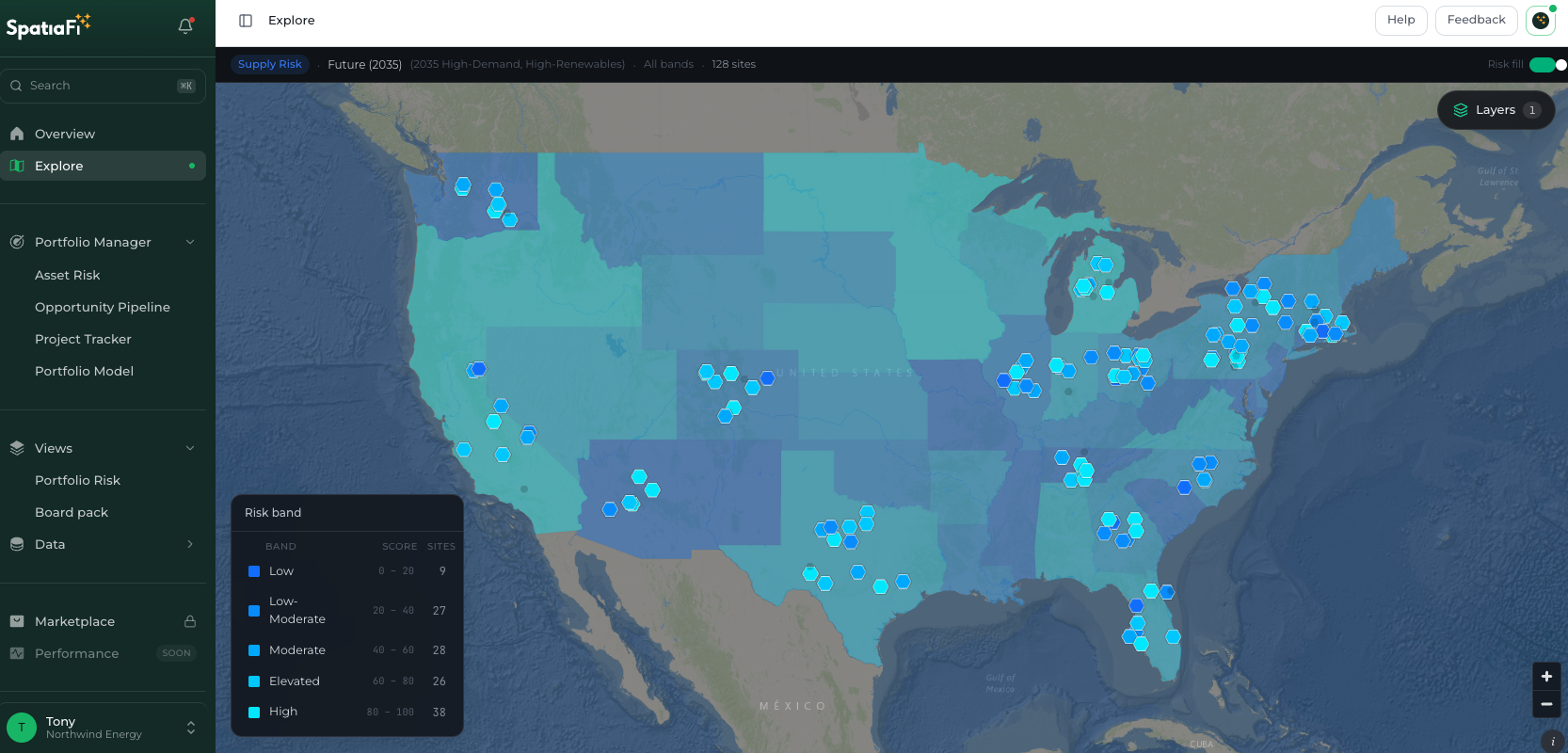
Pinpoint where your sites are exposed to energy supply, price, and carbon risk, today and over the next ten years.
Quantify opportunity
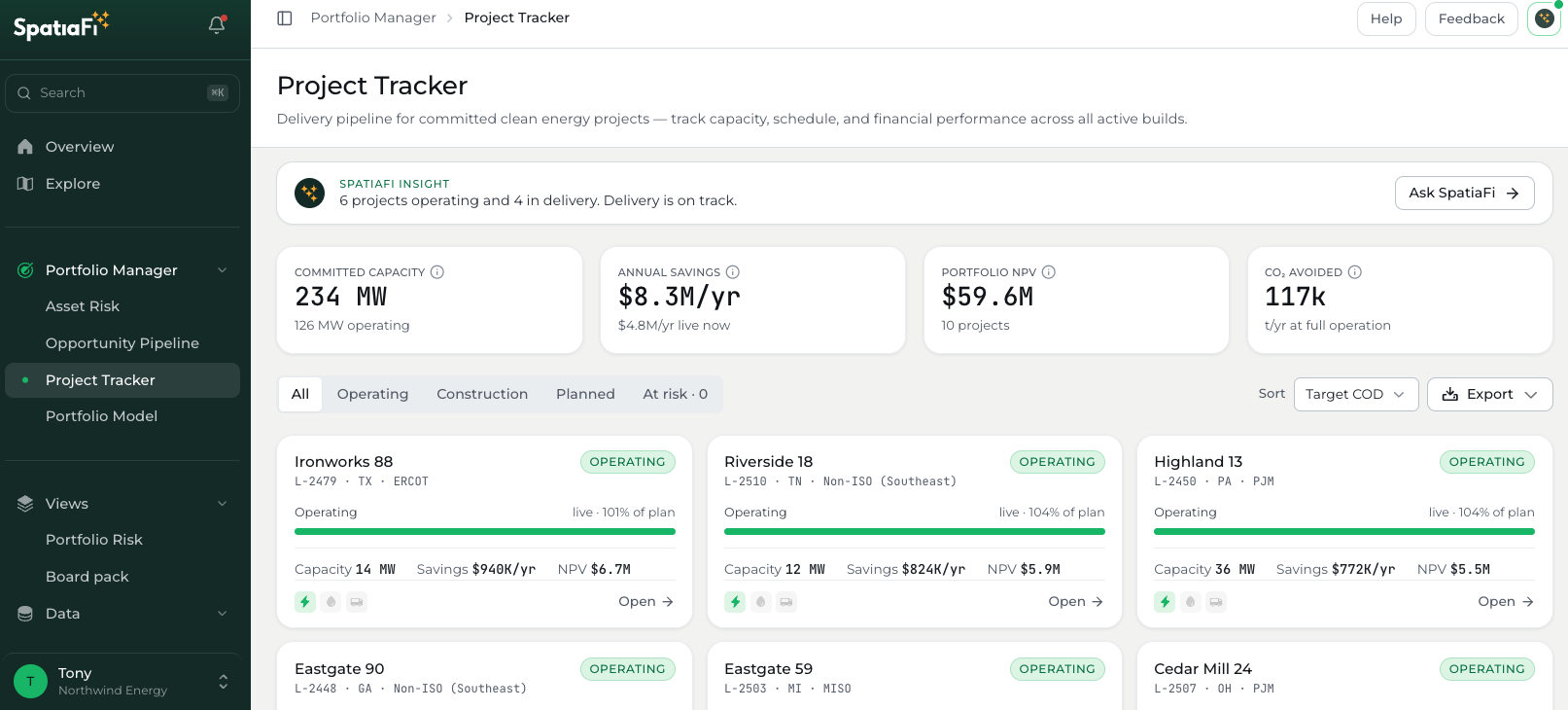
Translate that exposure into dollars: business interruption, cost volatility, growth constraints, asset value.
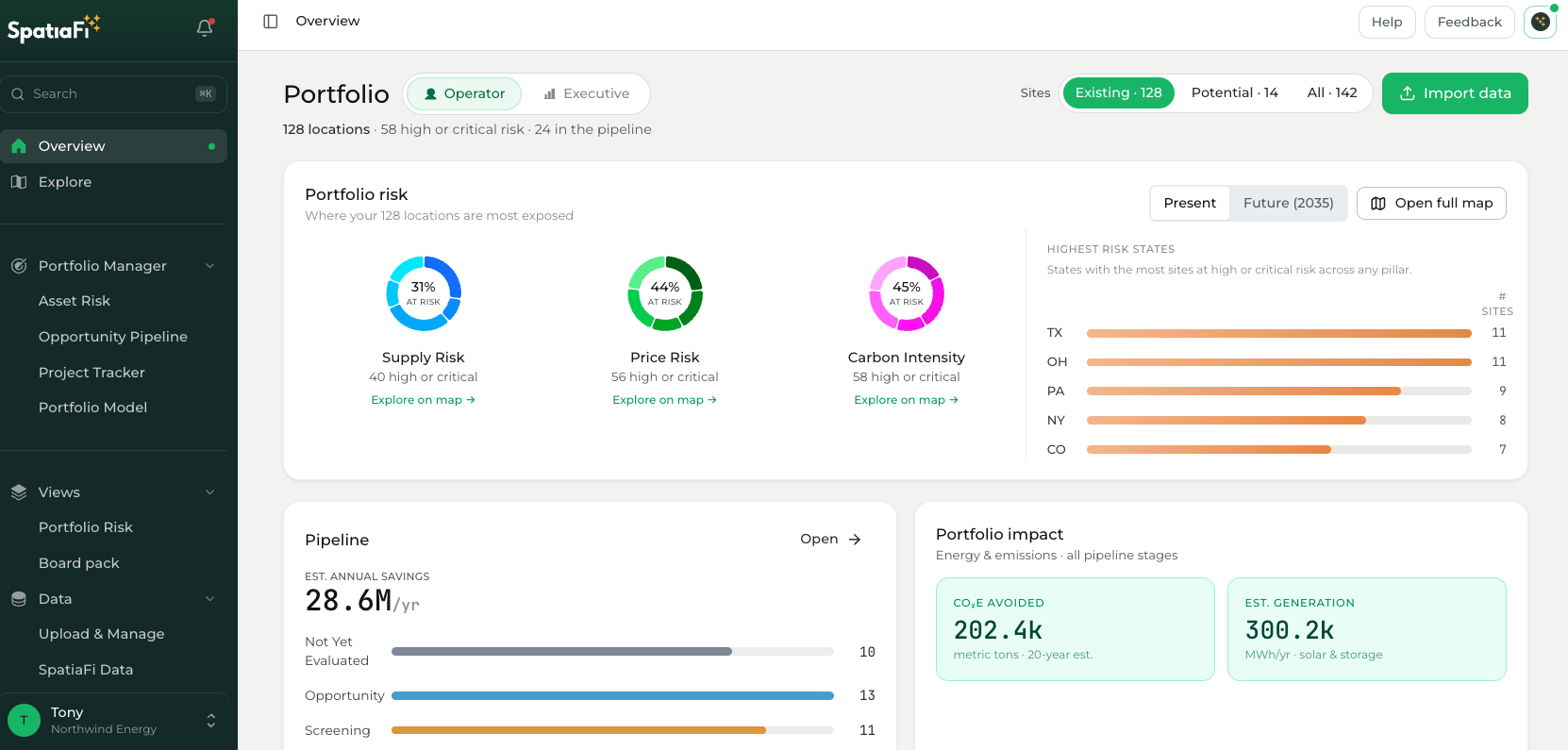
Take action
Model the ROI of solar, storage, energy efficiency, and other behind-the-meter solutions, and determine how to pay for it.

The bigger vision
One portfolio view across every asset and resource that shapes your business.
Built for physical and transition risk.

ALPHA COHORT LIVE
Identify energy risk, quantify financial impact, take action, and determine how to pay for it.

COMING SOON
Water risk, quantified at your locations. Data package and scenario modeling available now.


ON THE ROADMAP
Early access data and models.
Asset-level insights, powered by SpatiaFi.
Click any pin to see how SpatiaFi can help quantify risk and opportunity in the field:
Success stories
BMO
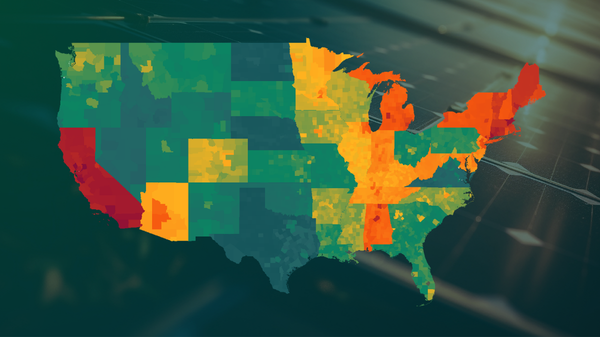
BMO's Climate Institute was launched in March 2021 as part of their overarching Climate Ambition. The Institute applies scientific and analytics expertise to better understand the risks and opportunities of a changing planet.
To aid this process, BMO used SpatiaFi to understand climate, extreme events, nature, and water insights within various areas and contexts of their organization including Reporting, Asset Management, Capital Markets, and Retail and Commercial Banking. By leveraging SpatiaFi’s capabilities, BMO was able to:
- Analyze internal climate risks to their own properties and operations.
- Conduct a REIT portfolio analysis across multiple physical climate risks.
- Identify regional water scarcity risks to inform investment insights and strategic decision-making.
- Evaluate climate-related risks to U.S. agriculture, such as droughts, wildfires, and extreme heat, providing insights into potential financial impacts across regions and crops.
Together, these insights helped BMO integrate spatial and environmental intelligence into climate strategy, risk management, and forward-looking investment decisions across the enterprise.
In the news:
Mitigating the Physical Impacts of Climate Change with Spatial Finance
Google Cloud Lightning Talk with Michael Torrance (BMO Chief Sustainability Officer)
How BMO is Connecting Climate Resilience to the World of Finance
Can U.S. REITs Take the Heat (Wind and Rain)
Robeco
Robeco, a global leader in sustainable investing, wanted to understand how geospatial data and AI can unlock scalable investment strategies that protect and support biodiversity. With biodiversity underpinning over half the world’s GDP, yet facing escalating threats from human activity, Robeco had identified an urgent need to direct capital toward nature-positive outcomes.
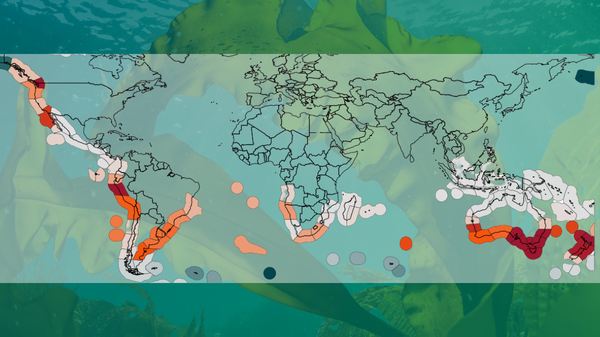
Robeco worked with SpatiaFi to develop a model to assess the biodiversity exposure risk of company-specific mining assets. SpatiaFi's Google Cloud-enabled system used AI and geospatial technology to extract mining locations from 100+ annual company reports, evaluate mining sites across a suite of biodiversity data, and estimate biodiversity exposure risk across over 1000 mines.
The assessment revealed that 81% of companies owned mines within important regions for biodiversity, and that over a third of mines using high risk methods like open-pit mining were in regions of high biodiversity importance. This work offers a blueprint for assessing biodiversity at scale and sets the foundation for Robeco to identify opportunities to shift their portfolio, bringing unprecedented transparency and accountability to biodiversity finance.
SpatiaFi is how you allocate capital in an increasingly uncertain world.
Sign up for our alpha cohort.